Red And Blue Light For Plants. If a plant receives some sunlight, a gardener can manipulate it by adding appropriate blue and red spectrum light to encourage healthy growth and fruiting and flowering. Red/blue leds are best suited for greenhouse applications who are already receiving sunlight.
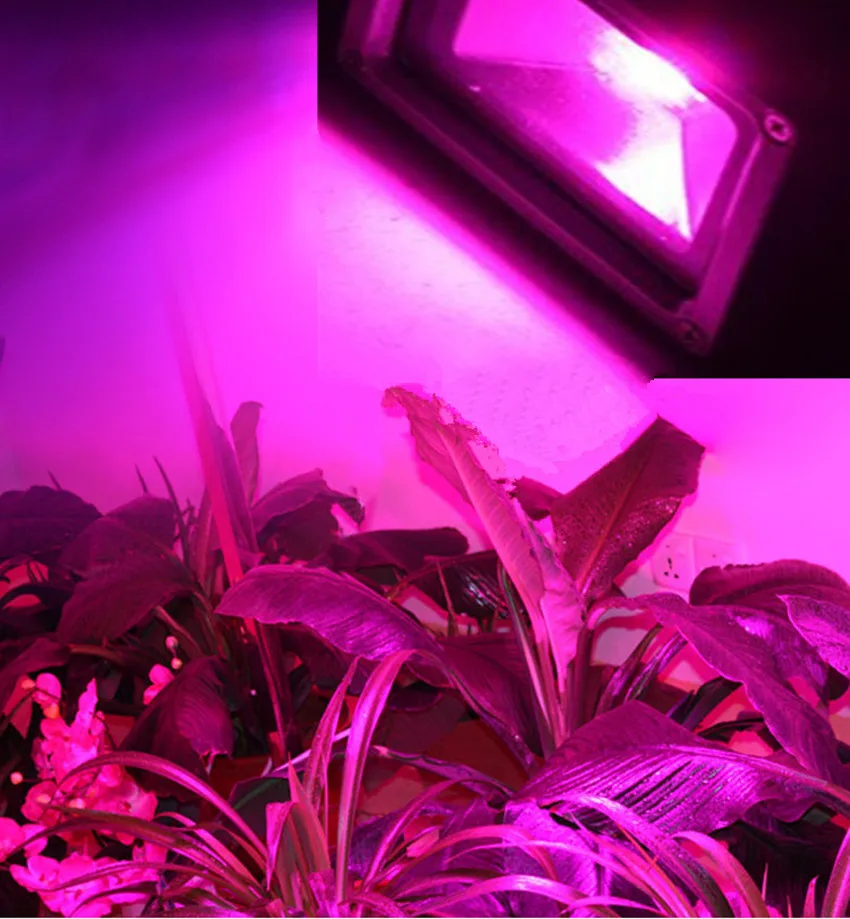
The color of light does affect plant growth, but the effect is more noticeable under low light intensity. Between the blue and red light plants the average length of the stalks were 6 inches, with leaves numbering in the vicinity of 8. Uv light can damage plants, causing leaves to burn.
This Initiates A Vegetative Growing Stage For Most Plants Leading Into.
The main reason for this is that white light is a mixture of all the colors in the visible spectra. Between the blue and red light plants the average length of the stalks were 6 inches, with leaves numbering in the vicinity of 8. For certain plants, like christmas cactus, this manipulation is the only way to guarantee the plant will be in.
Using The Wavelengths Of 430 Nanometers (Nm) Blue And Red Light Of 662 Nm, It Helps The Plant To Appear Green.
All plant
s, however, has chlorophyll a, which absorbs most strongly at ~450 nm, or a bright blue color. Red light is responsible for making plants flower and produce fruit. Blue light has a wavelength that is shorter in the visible spectrum as compared to red light and has a higher energy.
As Days Start To Get Longer, More Blue Spectrum Light Reaches The Surface Of The Earth.
Red and yellow light is longer wavelength, lower energy light, while the blue light is higher energy. Carotenoids always consists of the photosynthesis procedure. Therefore, plants grown indoors with 80 to 90 percent red light and 10 to 20 percent blue light are quite compact, with smaller leaves and shorter stems.
Red Light Is Responsible For Making Plants Flower And Produce Fruit.
The color of light does affect plant growth, but the effect is more noticeable under low light intensity. The whole plant dry weight was greater in the plants grown under the high ppf level than the plants under a low ppf level. While both are necessary to the health of an indoor plant, the benefits of a red light or blue light do differ.
Monochromatic Blue Lights Increased Anthocyanin Seven Days Sooner Than Plants In The Monochromatic Red Condition, Which Emphasizes The Importance Of Light In The Blue Area Of The Spectrum For.
The flowering plants did not grow as much and had fewer and smaller petals and leaves. Can plants grow in red light? The inclination angle of the seventh leaf in the plants grown under the blue leds and the blue/red fluorescence lamps was greater than that of the plants under red leds on the high ppf level.