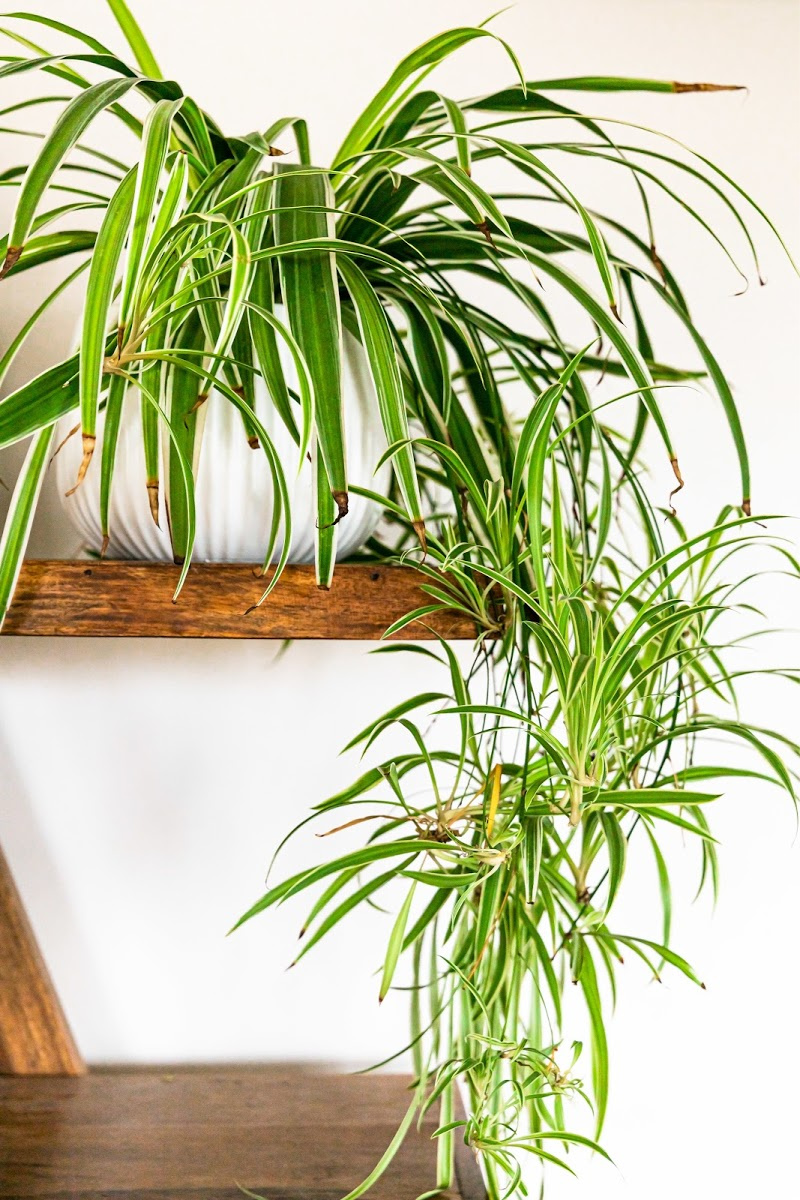
Plants For Wet Shady Areas. Plant in consistently moist soil. Plant it in consistently moist areas or along the slope of a pond or stream.

Japanese forest grass usda zones: Many ferns are great wet shade plants such as arachniodes, adiantum, asplenium, athyrium, blechnum, coniogramme, cyrtomium, dryopteris, matteuccia, onoclea and osmunda these are just a few of the wonderful wet shade plants available for your garden. It can serve as a cool escape from the harshness of the sun;
Corms And Tubers (Wet Soil) Galanthus Nivalis Leucojum Aestivum Narcissus Cyclamineus.
Plant with water loving plants: Also known as elephant’s ears, colocasia esculenta is a stunning exotic perennial, with huge, expansive leaves. Perennial plants that tolerate standing water and flooded areas include:
From Septic Overflow), Use Plants Which Like A Continuously Wet Soil, And Do Not Mind Being Waterlogged At Times (Eg.
Groundcovers are another consideration for shade plants that like it wet, plus they are low maintenance. Place clethra where it will get sun to part shade. Japanese forest grass usda zones:
Turn Obstacles Into Advantages In Damp Garden Areas.
As often happens, inspiration comes when you least expect it. Blushing bride spiderwort and concord grape spiderwort are two such shade plants for wet sites. Ferns for shade (wet soil) most varieties polypodium vulgare polystichum setiferum.
It Can Serve As A Cool Escape From The Harshness Of The Sun;
Also called the marsh marigold, this plant can cope with very wet conditions. Hakonechloa macra 'aureola' common name: Bulbs etc for shady areas (wet soil) arum italicum.
An Oasis Of Lush, Calming Green.
It will sucker and form a fragrant colony about 8 feet high and 6 feet wide, easily pruned or shaped if need be. However, there are a number of plants that are tolerant of and have adapted to perform well under these conditions. Spread a 4‑5cm layer of coarse sand or pebbles over the surface to restrict the growth of algae or any other putrid smells.