Elephant Ear Plant Edible. Colocasia, also known as elephant ear or taro. The plant commonly called “elephant ear” has been cultivated for thousands of years.
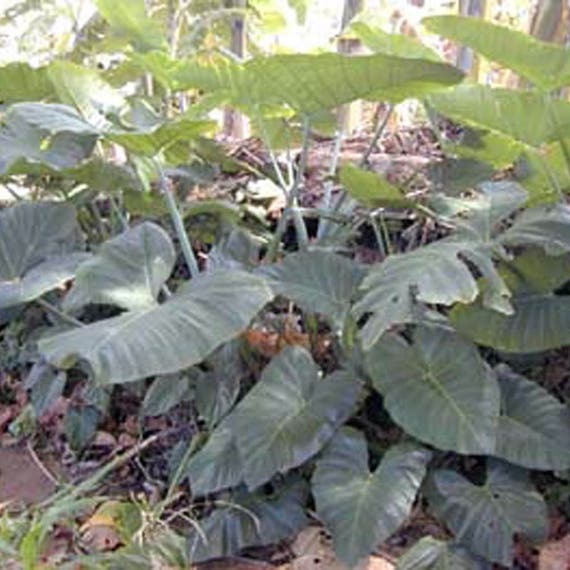
The plant commonly called “elephant ear” has been cultivated for thousands of years. The leaves of the elephant ear plants are edible, but you must always cook them before consumption. Once they sprout, elephant ears require little tending, other than regular feeding with a fertilizer high in nitrogen.
Hence, You Should Know Which Part Of The Plant Is Used For A Particular Need.
Depending on the species, elephant ears grow from tuberous roots (colocasia spp.) or a corm (alocasis and xanthosoma spp.), which is a hard swollen stem structure. Is the elephant ear plant edible? The plant is found growing in forests in moist valleys, in midlands and mountainous areas, windbreaks of the forest, in forest clearings, or at the edge of rain forests.
Elephant Ears Are Amazing Plants Adding A More Tropical Appearance To Gardens.
They are rich in vitamins a and c and they have more protein, phosphorus and calcium than a regular potato. Elephant ears shouldn’t be eaten, whereas taro is safe, and according to aunt rose, tasty. In many parts of the world, taro is a major food crop for both people and farm animals.
In Fact, They Are Grown For Their Edible Starchy Tubers And/Or Corms, Which Have Become A Staple In Tropical Regions.
The plant commonly called “elephant ear” has been cultivated for thousands of years. The leaves of the elephant ear plants are edible, but you must always cook them before consumption. In cooler climates elephant ears are grown for their large leaves.
A Few Alocasia Varieties Have Edible Stems, As Opposed To The Edible Tubers Of Colocasia.
There are several common and ornamental varieties of elephant ear. Tuber used in asian cuisine when cooked. On aug 26, 2002, lupinelover from grove city, oh (zone 6a.
There Are Several
Common And Ornamental Varieties Of Elephant Ear.
Colocasia is a genus of flowering plants in the family araceae, native to southeastern asia and the indian subcontinent.some species are widely cultivated and naturalized in other tropical and subtropical regions. The plant commonly called “elephant ear” has been cultivated for thousands of years. They all have bold foliage and can add a tropical look to any garden.