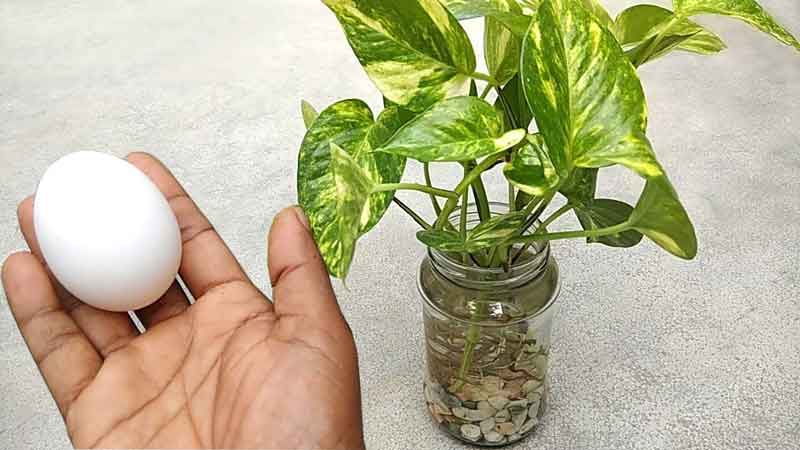
Plants That Absorb Radiation. Rubber plants absorb radiation and naturally cleanse the air. Plants absorbing harmful radiation are :
Plants to absorb radiation from computers! Plants, House from www.pinterest.com
Just like other plants, it can also help clean and purify the air in your room by actively absorbing carbon dioxide while giving out oxygen simultaneously. For toxin removal, one plant for every 100 square feet is recommended. It is especially useful for absorbing the radiation that is produced by computers, making it an excellent plant for any office, whether at work or in your home.
The Basis For These Theories Is Based On Comprehensive Studies And A Review Of Radiation With And Without Plants In The Vicinity.
Plants do absorb radiation, but your body does too. It’s also a great houseplant in the dryer areas since it puts out a larger amount of water vapor than most plants do. Some of the most commonly known herbs and plants are:
Araliaceae King In Absorbing Formaldehyde Most Effective Indoor Plant Absorbing Radiation Absorbs 1.49 Gms Formaldehyde / Sq.
Ever since the study, nasa headquarters have increased the greenery and indoor plants in their nasa offices. Aloe vera is famous for its sap, and sap is rich in water. View details i buy plants online.
In A List Of The Best Plants That Can Absorb Radiation, Cactus Emerged As One Of The Best In Absorbing Emf
Radiation.
Several botanicals have been screened for their radioprotective activity (table 1).an intravenous infusion of an ethanol extract of gingko biloba leaves, at a dose of 100 mg/person was found to be effective in patients with vasogenic edema observed after irradiation of the brain [].it has been reported to protect against the clastogenic. Absorbs 90% benzene within 24 hrs. The sunflower is absolutely one of the best plants in the world for absorbing radiation.
9 indoor plants that absorb radiation. Plants and herbs as radioprotectors. The water content of aloe vera makes the plant protective against radiofrequency radiation (emf) for everyone in your home.
Both Humans And Plants Can “Absorb” All Of These, But There Are Some Theories That Certain Plants Can Actually Retain Certain Types Of Radiation, Leaving Less In The General Environment.
And, in case you are wondering, they are also getting as much damage as you. Cacti is a dense plant and will likely absorb the radiation, but your body will do the same. So, get some plants in your house as a safety measure and to spruce things up.