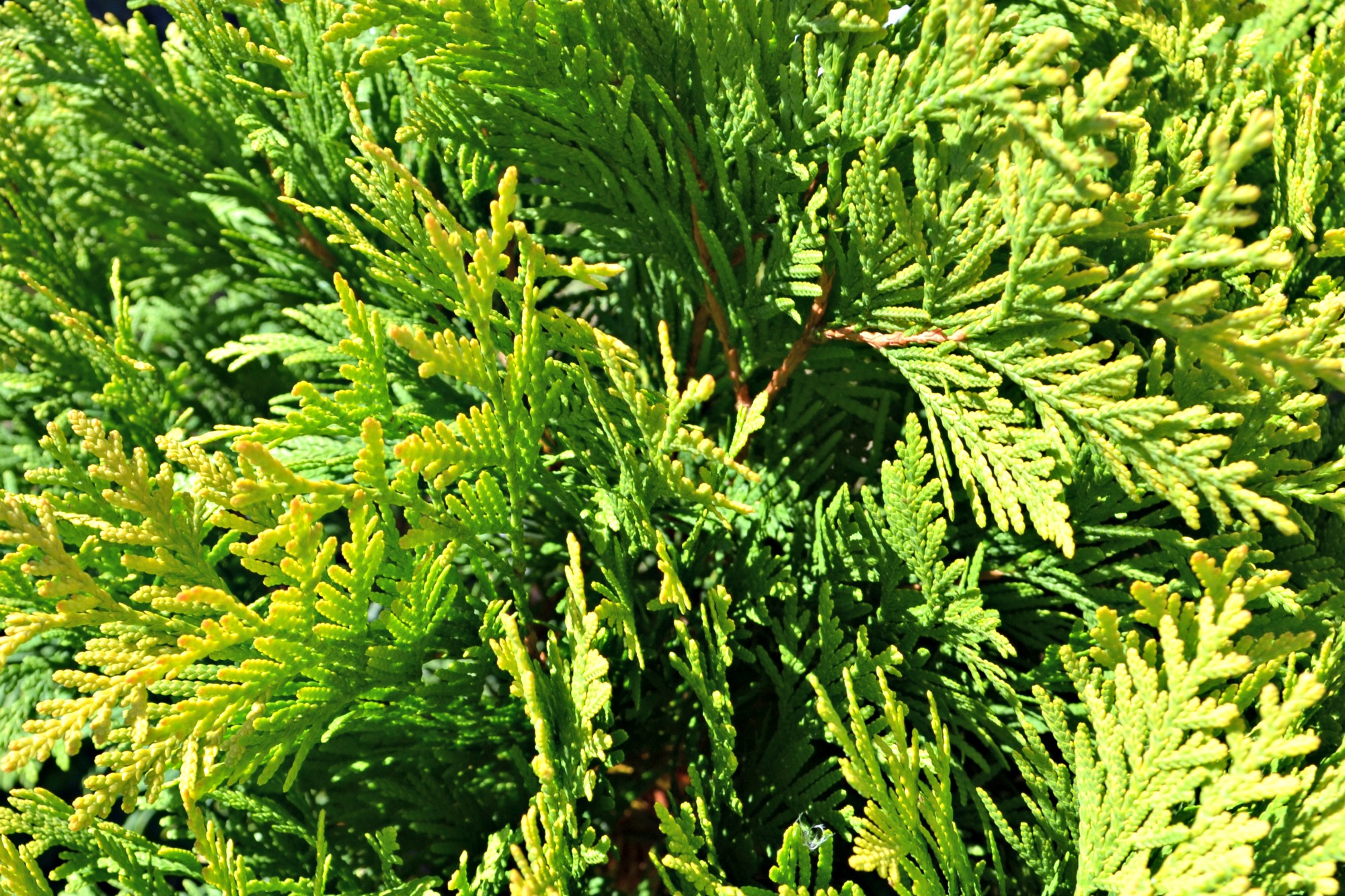
Planting Arborvitae In Fall. Plant your arborvitae in fall or spring. At this time, the sun is not so intense, and overall the conditions are softer for the plant to take root easier.
5 Plants with Fall Color Fairview Garden Center from fairviewgardencenter.com
Dig the planting hole 2 to 3 times as wide and as deep as the root ball. The tops of arborvitae trees are often cut off when the height becomes problematic, or people want to prune the tree into a hedge. If you are further south, planting in fall can be a good idea, especially if you might not be as consistent with watering.
How Much Should I Water My Arborvitae?
Fall planting| planting hydrangea & arborvitaes | gardenaddictz. Plant your arborvitae in fall or spring. Read more about how to set up newly planted trees for success and avoid tree transplant shock.
Their Original Height Was Between 5 And 6 Feet And They Are Now Between 8 To 8.5 Feet.
Established plants also require regular watering in a dry fall to help them resist winter damage. It can be ok to plant arborvitae in the fall in some situations. Most average garden soils fall between a ph range of 6.0 to 7.0.
If You Are Further South, Planting In Fall Can Be A Good Idea, Especially If You Might Not Be As Consistent With Watering.
It can be ok to plant arborvitae in the fall in some situations. Planting arborvitae in fall although spring is the ideal planting season, you can successfully plant arborvitae in the fall, especially in southern climates. Plant in early spring when the soil can be worked or in the fall before the ground freezes.
In Zones 6 And 7, Fall Planting (Four Weeks Before The Expected First Frost Date) Is Preferred So The Roots Can Grow In The Mild Weather.
39 related question answers found are coffee grounds good for arborvitae? Typically, pruning in the fall or early winter is best. At this time, the sun is not so
intense, and overall the conditions are softer for the plant to take root easier.
Amend The Soil By Digging In About 2 Inches Of Compost Or Aged Manure.
It is not the best period since your plants will not be fully established. The roots will not be as established for the harsh winter, but they will also not have to endure the hottest parts of the summer. Plant arborvitae in late winter or early spring to construct a privacy screen, living fence, or windbreak.