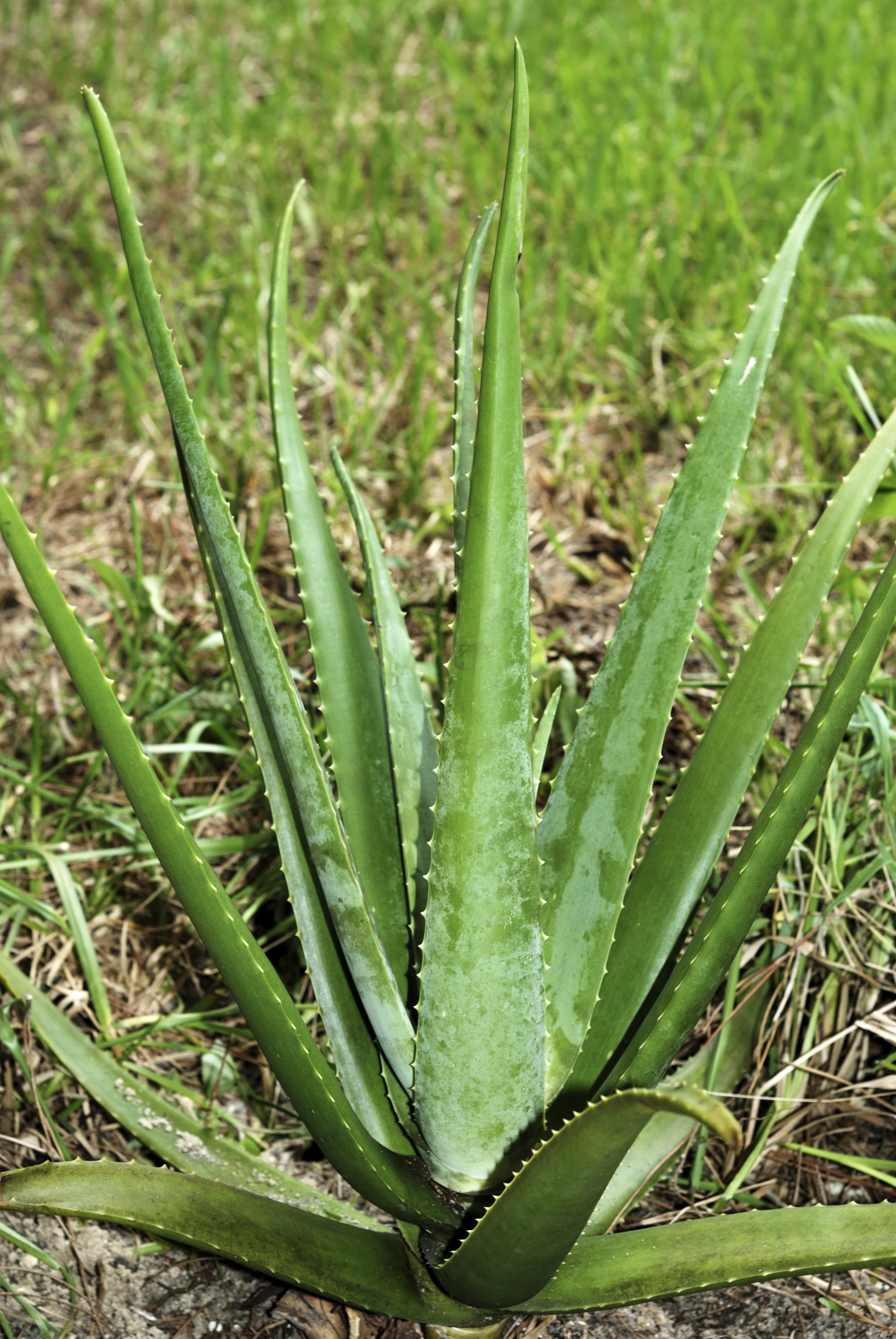
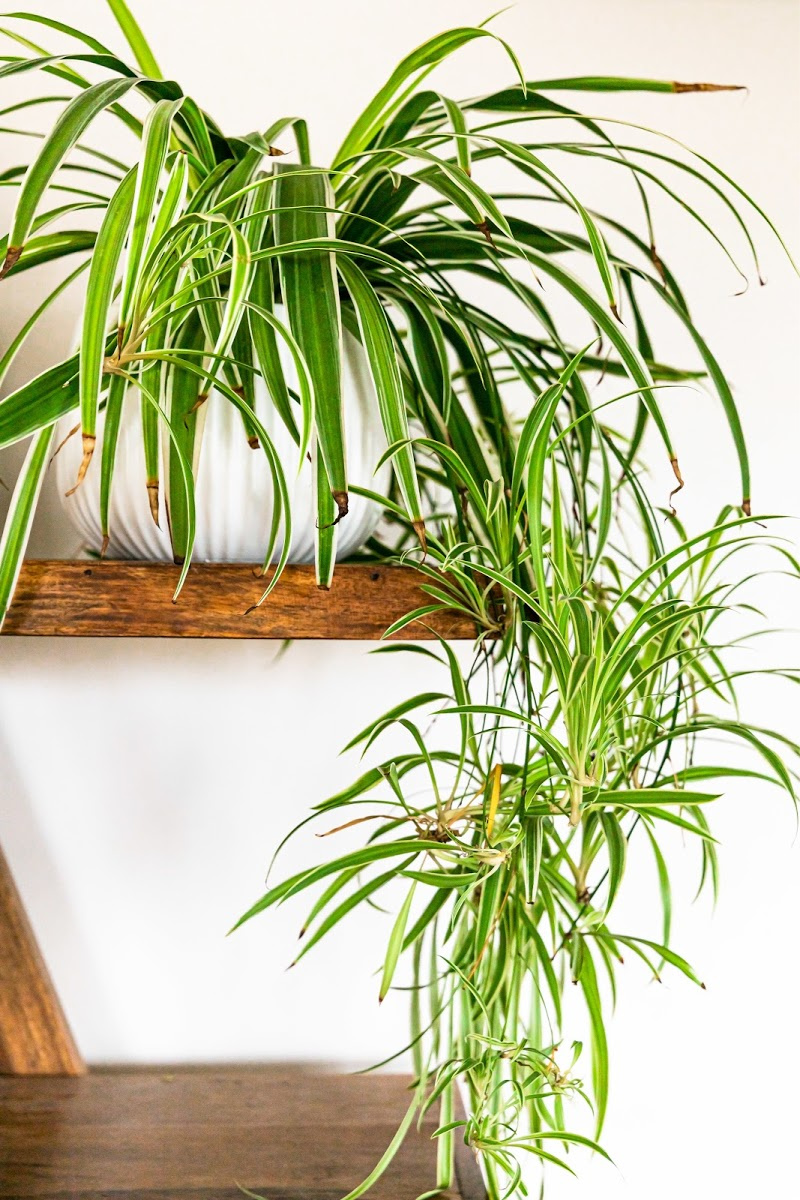
Are Aloe Vera Plants Poisonous To Cats. Aloe juice and pulp can be used to treat a variety of conditions in people, but it is highly toxic to cats. Chinese evergreen's level of toxicity is mild to moderate, though symptoms can include liver and kidney damage.
Pet Poison Helpline Aloe Vera Toxicity to Dogs and Cats from www.petpoisonhelpline.com
But aloe vera contains a compound called. Consuming this substance is likely to cause diarrhea and other digestive problems. And if your cat is nursing a kitten, aloe would pass through the mother's milk, so it is forbidden.
Is Aloe Vera Poisonous To Cats?
Aloe vera is not only commonly kept indoors but is considered to have multiple health benefits for humans. Toxic to dogs, toxic to cats, toxic to horses. Chinese evergreen's level of toxicity is mild to moderate, though symptoms can include liver and kidney damage.
Is Aloe Vera Toxic To Cats?
It contains a toxic compound called saponins, which is found in the outermost area of the plant leaves, just below the skin. As we saw, aloe has plenty of interesting usages, however, some precautions must be observed. Most aloe vera gels are harmless to cats because they do not contain the toxic portion of the plant.
Aloe has so many wonderful benefits for dogs and cats, but the aloe vera plant does have a component that can be toxic to a cat or dog if ingested. Complete answer to this is here. To put the light in brief, if you have an aloe vera plant at home, you must observe the texture.
Aloe Juice And Pulp Can Be Used To Treat A Variety Of Conditions In People, But It Is Highly Toxic To Cats.
If cats consume an aloe plant directly, they may vomit, become lethargic, or have diarrhea. The answer can be a bit tricky. You may notice this above the gel found inside aloe leaves.
This Has Caused Not Just Misunderstandings But Has Had Serious Consequences.
Aloe plants are toxic for your cat to chew on or eat. Although considered a medicinal plant for humans, aloe vera's level of toxicity is mild to
moderate for cats and dogs. This is because the leaves contain anthracene, glycosides, and anthraquinones.