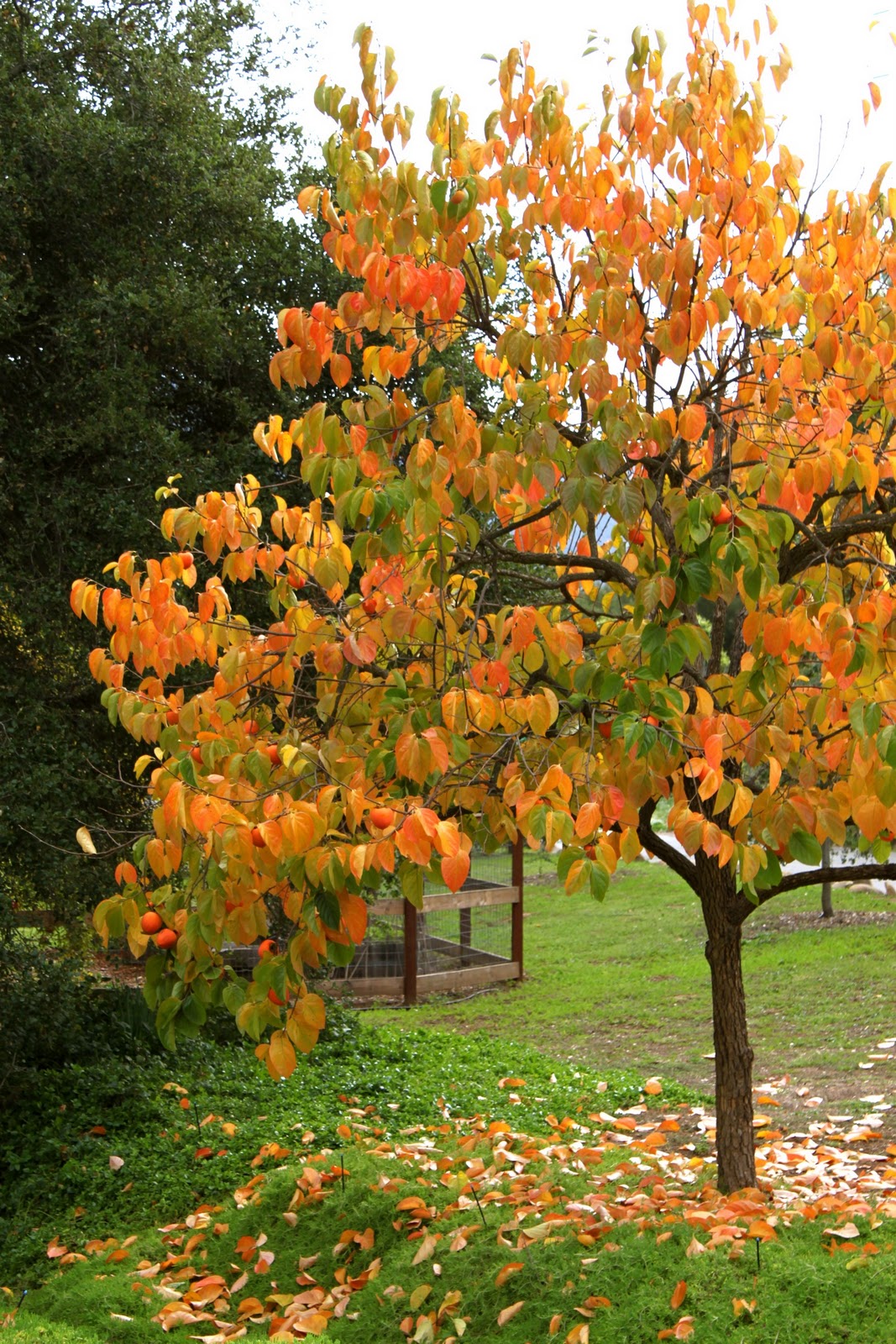
How To Plant A Persimmon Tree. The seeds don’t need light to germinate, but once they emerge, put the containers in a sunny window where they receive direct sunlight for at least six hours a day, or use a supplemental grow light. First, dig a hole wider than it is deep.
How to Plant and Grow Persimmon, Growing Persimmons From from everythingaboutgarden.blogspot.com
Plantation of the persimmon trees prepare the plantation of the persimmon trees. Persimmons have a strong taproot. You are best planting your persimmon tree after the last frost has gone and when spring has turned warmer.
Protect The Tree From Exposed Damages To Avoid Crown Gall Persimmon Tree Illnesses.
Do not fertilize unless it appears the tree isn't thriving. Snip the twig above the calyx with. Light, sandy soils are not suitable, but they will grow on many other soil types and are tolerant of heavy clay soils if drainage is good.
Then, Choose A Plant With Nicely Developed Roots.
Plant your persimmon tree in a spot that gets at least six to eight hours of full sun per day. Plantation of the persimmon trees prepare the plantation of the persimmon trees. For a bare root subject.
If You Are Planting More Than One Tree To Ensure Pollination, Make Sure You Leave Adequate Space Between Them.
How to successfully grow persimmon trees: Acclimate them to full sun for t
wo weeks before planting. Grow the fuyu persimmons under lightly shaded conditions during their first summer.
Since Persimmons Have Very Deep Taproots, Be Sure To Dig A Deep Hole.
How to plant persimmon trees. To be on the safe side, plant about three times as many seeds as you need, since persimmons have a low germination rate. How to plant persimmon trees.
Cut All The Roots Of A Few Centimeters, In Particular The Broken Parts.
Mix 8 inches of soil and loam in the bottom of the planting hole and then fill the hole with loam and native soil. Another tip is to plant your persimmon in a sheltered area, away from the wind, because the. Mix 8 inches (20 cm.) of soil and loam in the bottom of the planting hole, then fill the hole with loam and native soil.