How To Trim Lavender Plants. ‘never cut lavender back to the wood’. How to trim a potted lavender plant :
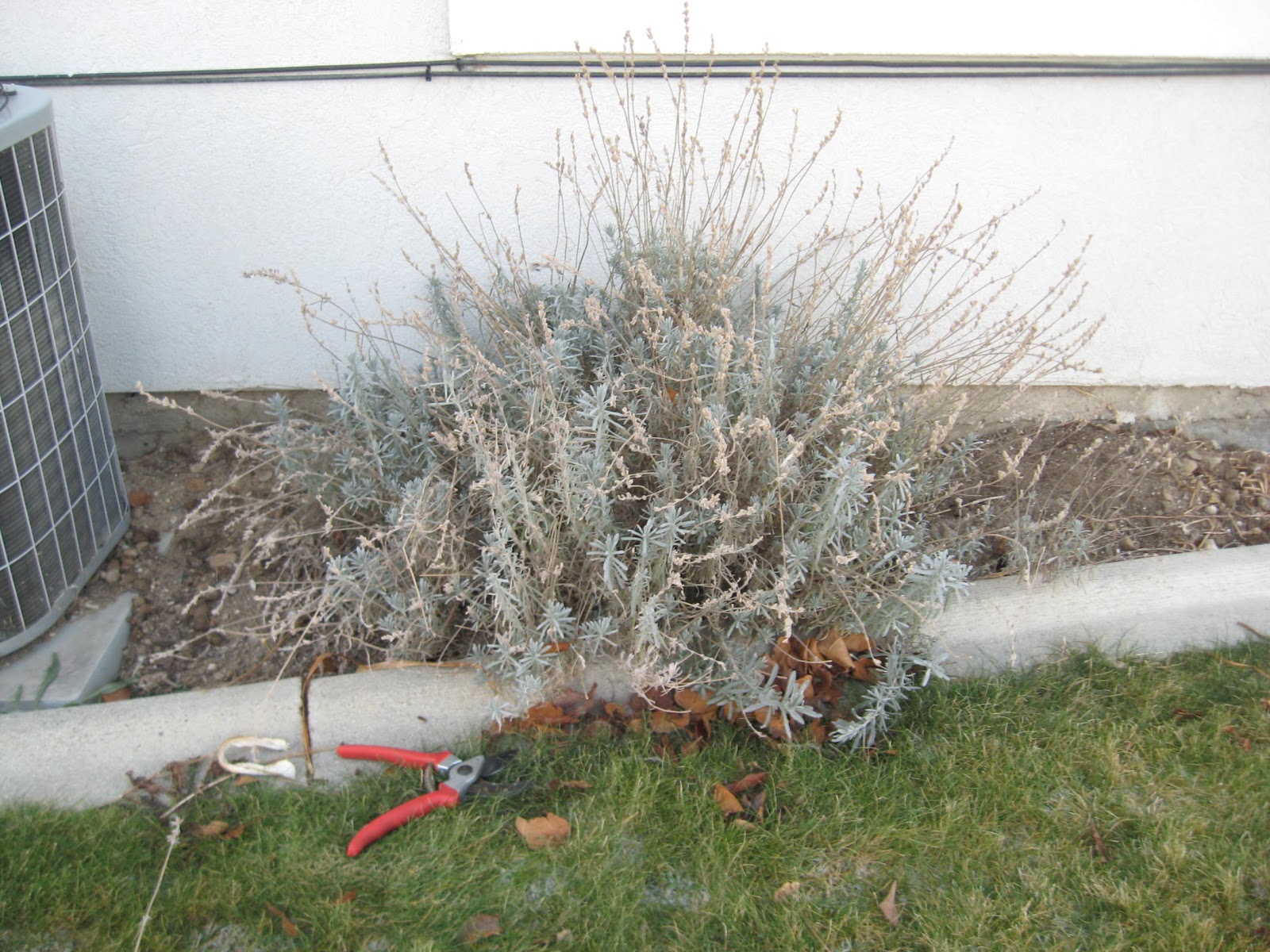
Go heavier on an old plant but never cut down to the wood base. Cut off about 2/3 of the plant’s height or to just above the bottom two sets of leaves on each stem. You can use your secateurs to cut each head off just below two side stems of leaves.
To Keep Your Lavender Growing In A Tidy Mounded Habit Prune Lavender Stems Like The Illustration Shows With The Outside Stems Lower Than The Middle.
Lavender’s pretty, fragrant blooms attract pollinators and give off a sweet perfume. Watch this video guide to pruning lavender from sean harkin, team leader at rhs garden wsiley If you don’t want your lavender bush to start looking tatty with dried off, brown heads, trim off the heads.
Prune These Lavender In Spring When All Frost Is Finished For The Season.
The basic tool to prune lavender is garden scissors or pruning shears. Cut a few nodes above the woody base of the bush, but never prune too close to the bottom because they may not grow back. To deadhead lavender plants, trim at the first set of leaves, leaving more of the stem than you do during regular summer pruning.
Pruning Lavender With A Hedge Trimmer Is Also Possible But Be Careful Not To Cut Too Much Of The Plant.
Take your best secateursor best garden shears, making sure they are clean and sharp. Regular pruning also gives it time to regenerate. That’s because lavender doesn’t regenerate from old wood.
It’s A Hardy, Perennial Bush In Most Zones, And Easy To Care For.
Cut off about 2/3 of the plant’s height or to just above the bottom two sets of leaves on each stem. The lavender will develop a woody center and stop producing new shoots. Pruning woody lavender plants is the key to rejuvenating them.
Wipe Down The Blades Of Your Pruning Shears With Rubbing Alcohol Or Bleach To Make Sure All Bacteria And Potentially Harmful Germs Are Removed From The Blades.
Deadhead after the flowers open and begin to wilt if you want lavender blooms in the garden. You don’t want to spread any bacteria or virus from one plant to another. For larger plants, use garden loppers, preferably by
pass loppers, as they are more efficient.