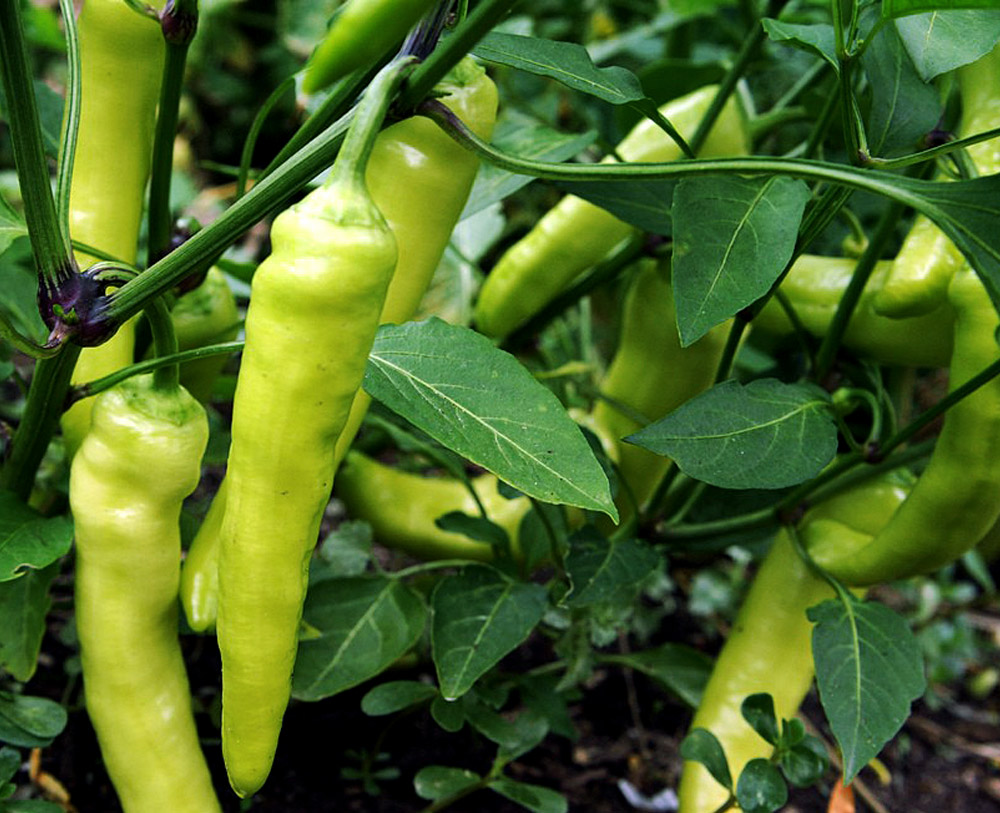
What Plants Like Epsom Salts. In addition, magnesium greatly improves a plant’s ability to produce flowers and fruit. What plants like epsom salts?
Epsom Salt the Plants Fertilizer Epsom Salts Organic from naturebring.com
Epsom salt for prettier roses: Moreover, not every plant needs to be supplemented with epsom salt. Can epsom salts damage plants?
Plants Need Magnesium To Thrive And They Can Get It From Epsom Salt.
Primarily, roses, tomatoes, and peppers are the key plants that can take advantage of the magnesium levels contained in epsom salts. 1 tablespoon per 30cm of plant height per plant and apply epsom salts every two weeks. Which plants like epsom salts?
Why Not To Use Epsom Salts For Your Plants.
They are easy to care for and work great as starter plants in your vegetable garden. Epsom salts contain micronutrients and are a beneficial supplement for some plants, especially roses, tomatoes, and peppers. According to witz, nightshades such as tomatoes and peppers, as well as roses, seem to respond well to epsom salt treatments.
People Commonly Use Epsom Salts To Feed Plants That Crave Magnesium, Including Tomatoes, Peppers, And Rose Bushes.
Plants that like epsom salts such as roses, cucumbers, peppers, and tomatoes require magnesium to thrive. Epsom salt products are generally synthesized from feedstock ore in chemical plants (making them a synthetic product).; What house plants benefit from epsom salt?
Can Epsom Salts Damage Plants?
Chemically, epsom salts is hydrated magnesium sulfate (about 10 percent magnesium and 13 percent sulfur). Epsom salt is especially helpful to larger plants that have lived in the same pot or container for many years. Its best choice for making the plant more green in color and fuller in size.
What Plants Like Epsom Salts?
T
hough many people swear by. Pepper plants like epsom salts because they boost growth and yield, especially in those plants that don’t receive enough magnesium. Since magnesium plays an important role in plant metabolism, epsom salts can be applied to plants on the soil or the leaves, and they help with deficiencies caused by poor soil, drought stress, heavy rainfalls, and other environmental factors.