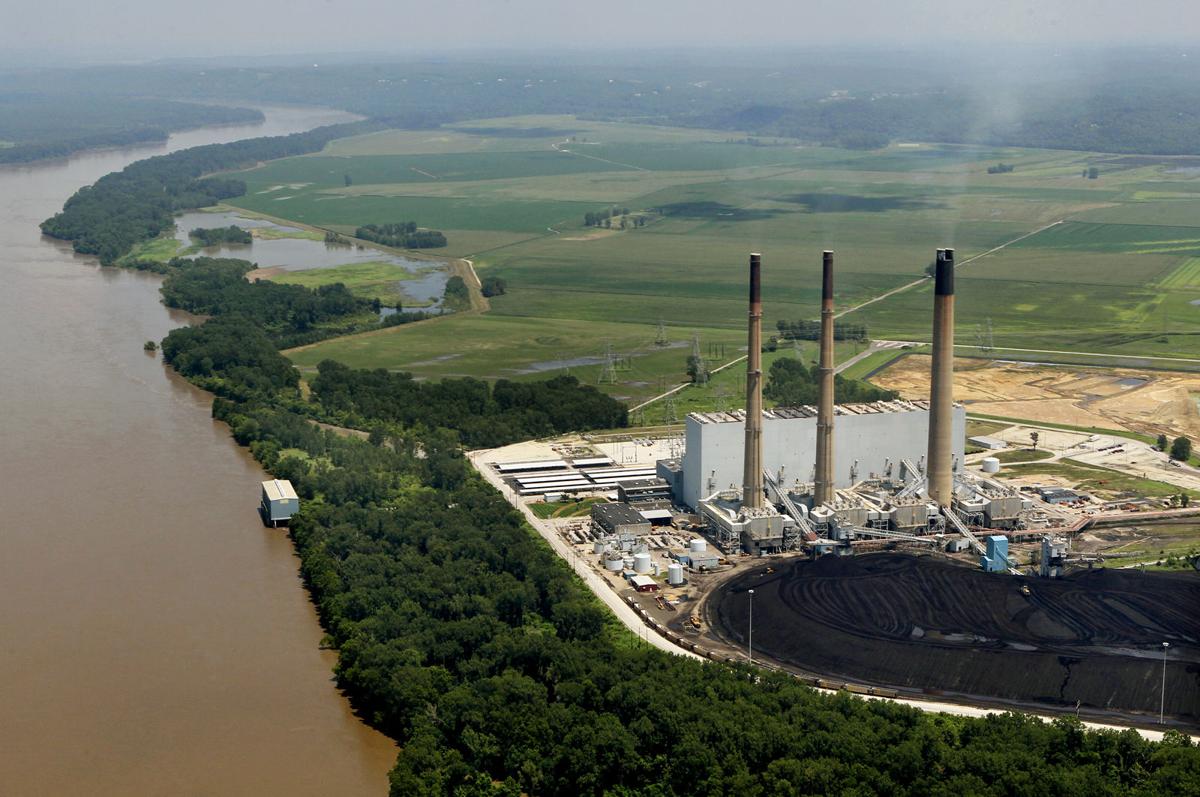
Power Plant Cooling Tower. Cooling tower is an important part of power plant. To the cooling tower for cooling.
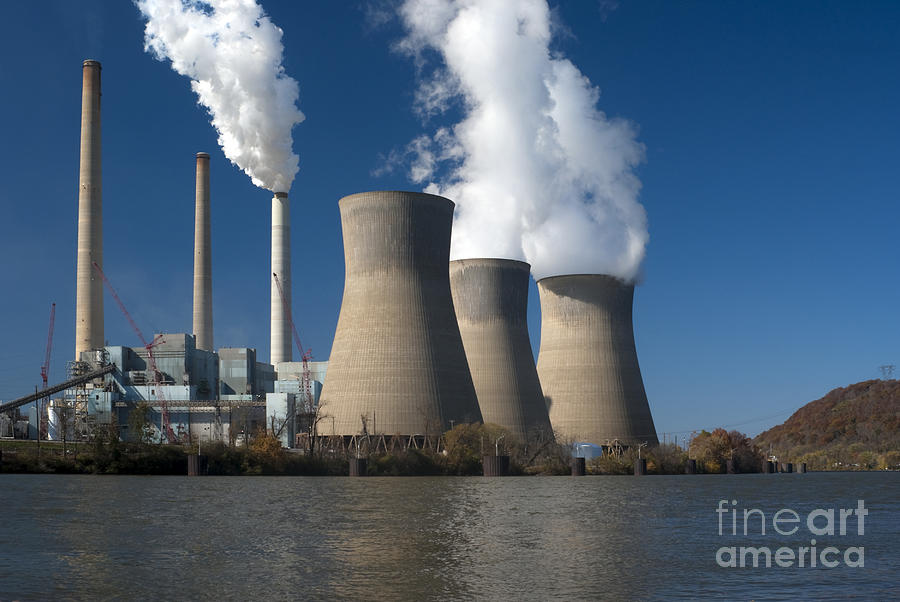
People see the massive, sometimes 600 feet high, hyperboloid structures from miles away and immediately associate them with nuclear power plants. By using the wasted stream of heat that is intended for cooling towers to generate vortex provides the idea of pulling out additional energy by refusing the heat to the colder upper troposphere. The basic working principle of cooling tower is to cool the hot water with the help of atmospheric air.
Through The Process Of A Cooling Tower, Tiny Quantities Of Water Tend To Evaporate Which Help To Drop The Temperature Of The Water That Has Been Sustained In The Cooling Water.
For example, a cooling tower sized to cool 4540 m 3/hr through a 13.9°c range might be larger than a cooling tower to cool 4540 m3/hr through 19.5°c range. By using the wasted stream of heat that is intended for cooling towers to generate vortex provides the idea of pulling out additional energy b
y refusing the heat to the colder upper troposphere. Truth be told, any thermal power plant uses some kind of cooling tower.
Mechanical Draft Cooling Tower Systems
The hyperbolic cooling tower is a steel reinforced concrete structure and the bottom 10m. Environmental regulations in most countries require that fresh water sources like lakes or rivers cannot be used anymore for an open cycle system. People see the massive, sometimes 600 feet high, hyperboloid structures from miles away and immediately associate them with nuclear power plants.
Although These Large Towers Are Very Prominent, The Vast Majority Of Cooling Towers Are Much Smaller, Including Many Units Installed On Or Near Buildings To Discharge Heat.
Therefore, the criteria for power plants cooling water are stricter than those for refineries, which do not have this concern. It then widens slightly to aid in mixing the. This makes using cooling towers the only option.
The Theory Of Heat Exchange In Wet Cooling Towers Is Briefly Summarized.
There is also an area with tall, scalable metal constructions. If the power plant does not have access to abundant water, cooling may be done by passing the steam through the condenser and then using a cooling tower, where an updraught of air through water droplets cools the water. Cooling towers are a distinct sort of heat exchanger, which permits water and air to get in connection with each other to reduce the temperature of the boiling water.
Cooling Towers Are Constructed For Plant Cooling And To Protect Aquatic Environments.
Cooling towers, if properly sized and filled with high efficiency fills, will yield optimal performance. The hyperboloid cooling towers are often associated with nuclear power plants, although they are also used to some extent in some large chemical and other industrial plants. The power plant features an elaborate system of piping interconnecting the cooling towers with the rest of the complex.