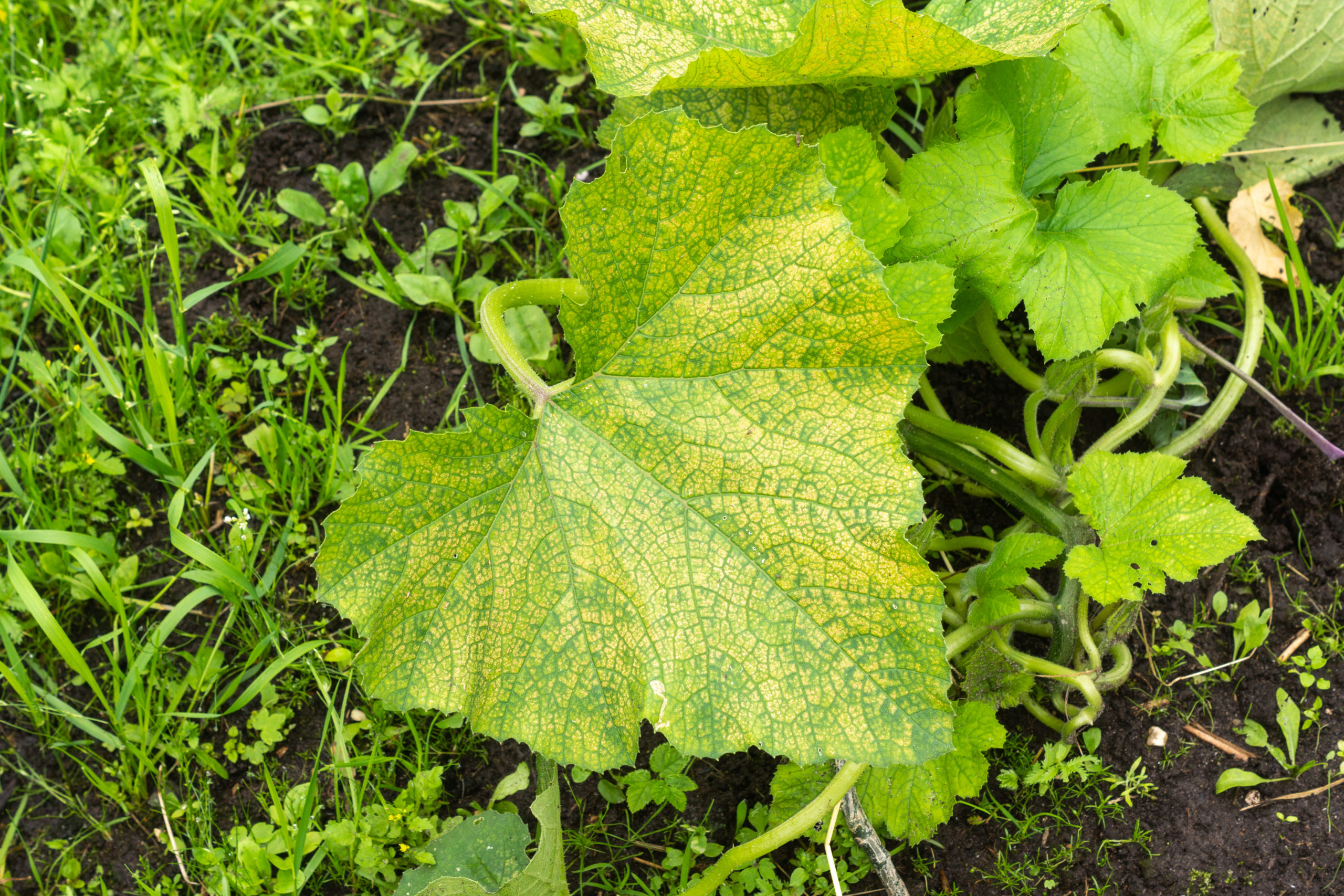
Boron Deficiency In Plants. Boron deficiency in plants can lead to stunted growth and death of a plant. Boron deficiency symptoms in plants.
Guide to Boron Deficiency in Cucurbits PowerAG from www.powerag.com
Because of boron's involvement in cell growth, symptoms of boron deficiency are expressed at growing tips of the root or shoot, and generally include stunting and distortion of the growing tip that can lead to tip death, brittle foliage, and yellowing of lower leaf tips. This leads to immobilization of the soil boron which cannot be taken up by the plant then. Areas of the world with limited boron in the soil include brazil, japan, and most of the united states, mainly because of high levels of rainfall, which leaches boron out of the soil [ 21 ].
Once In Awhile, However, A Boron Deficiency In Plants Can Become A Problem.
The first characteristic sign of b deficiency is a splitting of the newer leaves. In plug trays or packs). High ph favors boron deficiency.
Boron Deficiency Is Not Bound To The Cell Wall The Same Way That Calcium Is.
Hollow or rough plant stems; In commercial applications, borax (sodium tetraborate) is used. Boron deficiency occurs most frequently in sandy soils with low organic matter content as it is susceptible to leaching, and in soil with low moisture content.
Boron Deficiency Symptoms In Plants.
What causes boron deficiency in plants? Too tightly, or high ph. Boron deficiency could lead the plant to grow slowly, hamper flowering and fruiting, and abnormalities [12].
The Deficiency Problem Can Be.
Visible boron deficiency symptoms for many crops are listed in the pdf version of this agronomy note. To date, a primordial function of b is undoubtedly its structural role
in the cell wall; Boron deficiency may be caused by overliming the soil.
Such Symptoms Become Clearly Visible When The.
When combined, boron and calcium develop strong cell walls. Boron is vital for root growth in plants. Arthritis sufferers might have a boron deficiency.