Plastids In Plant Cell. Beyond their major roles in primary metabolism, of which their role in photosynthesis is perhaps best known, plastids contribute to the biosynthesis of phytohormones and other secondary metabolites, store critical biomolecules, and sense a range of. Structure of plastids,plastids,chromoplast,chromoplasts,leucoplast,chromoplast and leucoplast,leucoplast and chromoplast,chloroplast,plastids explanation,pla.
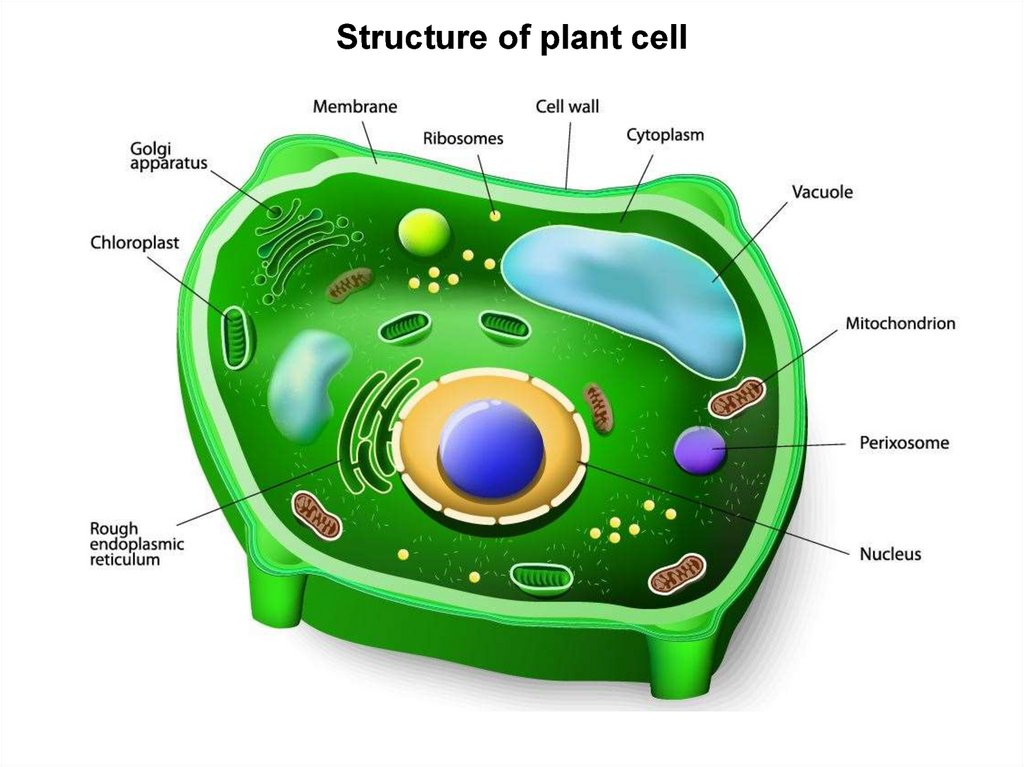
Plastids are thought to have arisen as a result of an endosymbiotic event in which an early photosynthetic prokaryote invaded a primitive eukaryotic host (margulis, 1970; Plastids are essential plant organelles vital for life on earth, responsible not only for photosynthesis but for many fundamental intermediary metabolic reactions. Each plant cell will have a cell wall, cell membrane, a nucleus, smooth and rough endoplasmic reticulum, golgi apparatus, ribosomes, plastids, mitochondria, vacuoles, and.
Due To Their Large Size They Are Easily Observed Under The Microscope.
You must be 18 by the time early voting opens, a citizen of the us (not just a legal, green card resident) and have a. Each plant cell will have a cell wall, cell membrane, a nucleus, smooth and rough endoplasmic reticulum, golgi apparatus, ribosomes, plastids, mitochondria, vacuoles, and. As plastids bear some specific pigments, they impart specific colours to the plants.
Plastids Play Crucial Roles In A Variety Of Cellular Functions.
Types of plastids in cell: This rather looks like a homework question. Plastids were discovered and named by e.
Plastids Are The Place Of Production And Storage Of Key Chemical Compo
unds That Are Utilized By Cells Of The Autotrophic Eukaryotes.
Plastids were discovered by ernst haeckal.the term plastids was coined by a.f.w,.schimper.plastids are the site of manufacture and storage of important chemical. Plastids are specialized structures within plant cells that manufacture and store food and pigments for the cell. Plastids are found in the cells of plants and algae that are responsible for manufacturing and storing food.
They Are Necessary To Store Starch, To Carry Out The Process Of Photosynthesis.
Subsequently, plastids have evolved to. The plastids of plants are also simpler when compared to those found in other organisms like algae. Located at the shoot and root tips, meristems are the source of undifferentiated cells in plants.
Plastids Assist In The Production Of Many Essential Plant Components Such As Enzymes, Lipids, Sulphur Compounds And Amino Acids.
All plastids, including chloroplasts, develop from proplastids, small (0.5 to 1 μm in diameter) undifferentiated organelles present in the rapidly dividing cells of plant roots and shoots. Schimper was the first to deliver a clear definition. The number of plastids per cell in terrestrial plants has been shown to be relatively high, ranging from 30 to 40 in diploid cells to 100 to 150 in haploid cells.