How To Plant Pachysandra. Space the plants 6 to 12 inches (15 to 30 cm.) apart to accommodate their spread. Rhizomes, thick horizontal stems under the ground, spread pachysandra terminalis (the most usually planted type).
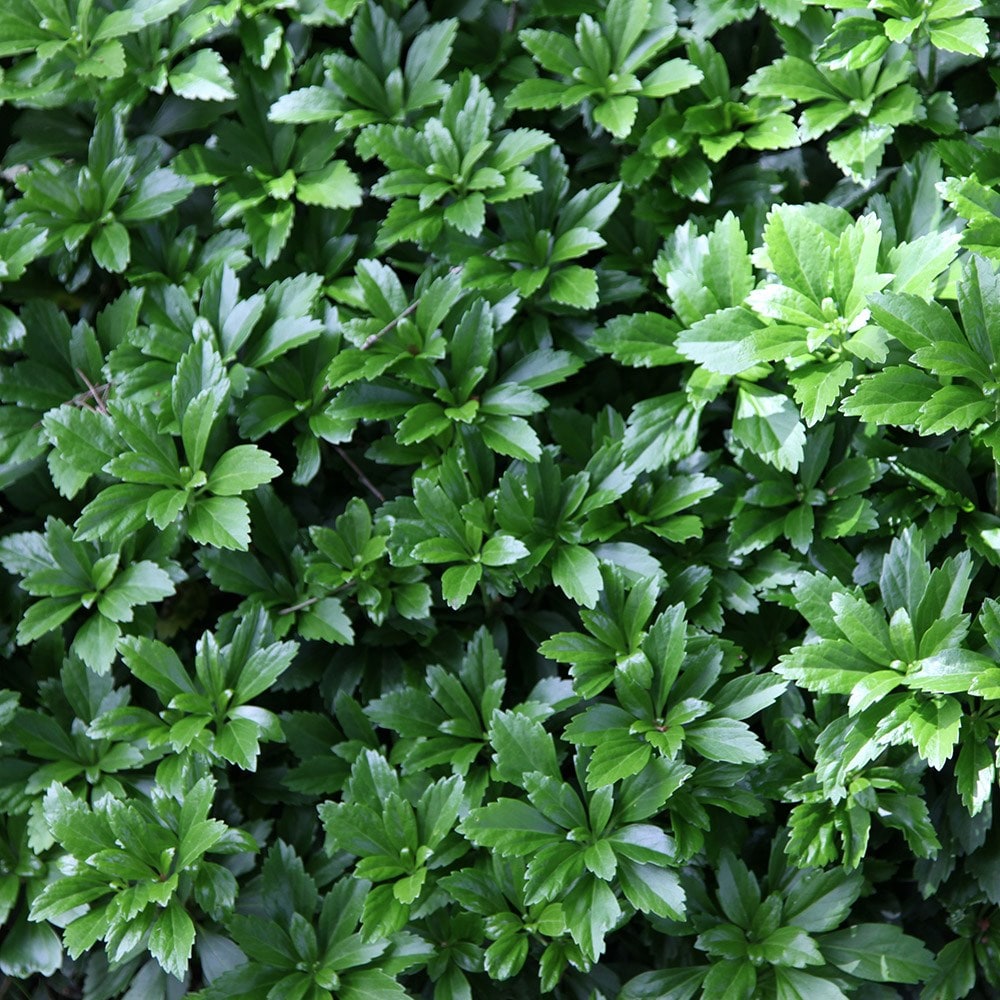
Holes for new plants should be 4. Pachysandra prefers acidic soils but can tolerate neutral and slightly alkaline soils. Roots and shoots grow from nodes on the rhizomes.
The Newly Planted Pachysandra Requires Regular Irrigation Until The Roots Are Established.
Plant pachysandra plants instead of jasmine or english ivy. They all need some degree of shade and acid soils, hence their popularity for underplanting rhododendrons. Slightly acidic soil is preferable, but it can grow in neutral or slightly alkaline conditions.
Start Planting By Using A Shovel Or Trowel To Dig Your Planting Hole Two To Three Times As Wide And As Deep Or Not Much Deeper Than The Root Ball Of Your Plant.
Pachysandra prefers soil that is moist and amended with rich organic matter. Rhizomes, thick horizontal stems under the ground, spread pachysandra terminalis (the most usually planted type). Plant pachysandra in full or partial shade.
Water The Pachysandra Again When The Top 1 To 2 Inches Of Soil Becomes Dry.
If planting a slope, work from top to bottom. Place the plant in the center of the hole. Pachysandra prefers acidic soils but can tolerate neutral and slightly alkaline soils.
Space The Plants 6 To 12 Inches (15 To 30 Cm.) Apart To Accommodate Their Spread.
Tamp the soil down carefully around the roots. Mature pachysandra requires about 1 inch of water per week during its period of active growth. I advise to sprinkle 1/2 peat moss on a new area every 2 weeks, to make it look fresh and to see any weeds that will appear.
Place The Plants About 8 Inches Apart.
What to plant with pachysandra? To produce fresh cuttings from stock plants, first cold treat plants for six weeks. Pachysandra plants can take over your garden and spread into the wild, displacing native plants.