Little Black Dots On Plants. Plumeria black spots occur due to fungal diseases like frangipani rust, black tip fungus or scooty mold. Hey guys, i have noticed black spots forming on my plant leaves and stems.
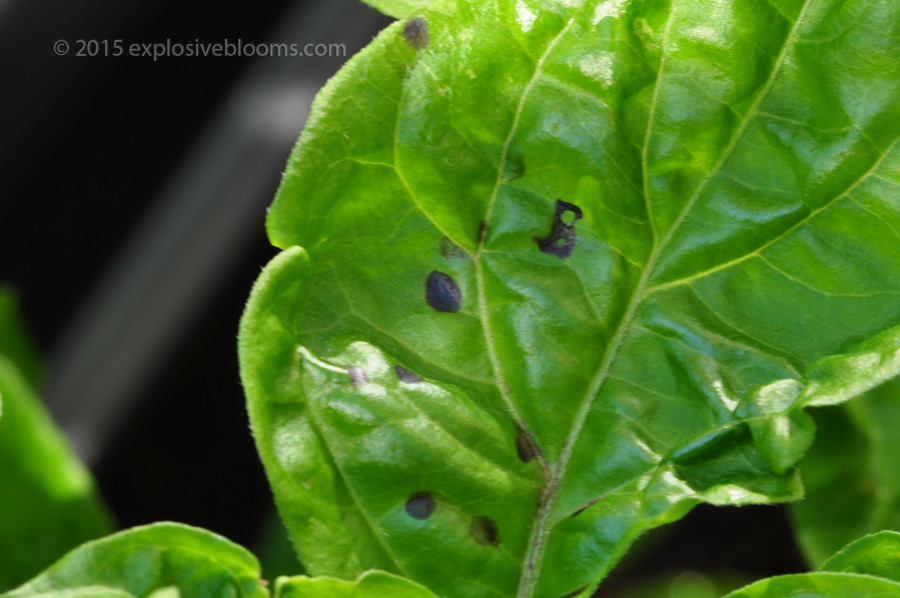
What are those black spots on my pepper leaves? from blog.explosiveblooms.com
Could be caterpillar though so what you are doing with the plant seems sensible. What are these little black bugs in my chives, welsh and spring onions? Try a spray of soap and water at.
It Is Important To Take Action Swiftly If You See Any Signs Of Black Spots On Your Plants.
This might include some herbs such as dill and. Black spot disease can affect a number of plants, and it should be treated as soon as it is spotted. I did some cursory googling but nothing came up to match it.
Plumeria Black Spots Occur Due To Fungal Diseases Like Frangipani Rust, Black Tip Fungus Or Scooty Mold.
Watch this helpful video from homebase to discover the b. I think we treated it ourselves with a can of insecticide but more severe infestations will need a pro. Could amano shrimps clean it off?
Leaf Spot Is A Condition Caused By Fungus And Bacteria That Result In Dark, Black Splotches To Form On The Leaves Of Infested Plants.
Overwatering should be ruled out, too. These pesky critters are something that will need to be dealt with fairly quickly, seeing as a large population of aphids will injure or even kill your hibiscus. It starts with tiny black spots on leaves, no bigger than a pinhead.
If The Petunia Is Healthy And You Find No Pests Or Signs Of Feeding, Then Small, Black Dots May Be Nothing To Worry About.
So, prevention and quick identification is a great way to save the plants from little bugs in plant soil. Don’t let the name fool you. Try a spray of soap and water at.
What Are These Little Black Bugs In My Chives, Welsh And Spring Onions?
These little dots come off with some light rubbing and water but are kind of.sticky. However, hopefully, this article helped you to know the ins and outs of this topic and rub off any confusion. They use their long, thin mouthparts to pierce plant parts and suck out sap.